1) Personalized guidance and recommendations tailored to your goals and behavior, using your data and preferences to create adaptive plans that evolve over time. This increases relevance and effectiveness of actions, reduces decision fatigue, and accelerates progress by delivering the right suggestions at the right moment.
2) Centralized tracking consolidates all relevant metrics, activities, and history into one dashboard with clear analytics and visualizations. You can monitor trends, identify patterns, set benchmarks, and measure progress over time, enabling data-driven decisions, early detection of issues, and continuous optimization without switching between multiple tools.
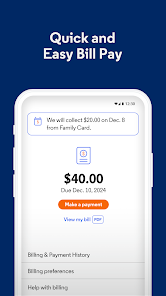
3) Seamless communication, automated reminders, and integrated scheduling simplify coordination with providers, teammates, or services. Automated workflows reduce manual tasks, ensure timely follow-ups and notifications, and provide secure messaging and appointment management so you spend less time organizing and more time acting on prioritized items.
1) Limited features and customization: The My Optimum application lacks advanced features and granular customization, restricting how users tailor settings, manage subscriptions, or access detailed account controls. Power users may need web portals or support for tasks the app should handle.
2) Performance and reliability problems: Users report slow load times, occasional crashes, and high battery or data usage on certain devices. Unreliable performance can interrupt streaming, billing, or account changes, making routine tasks time-consuming and requiring repeated attempts or desktop fallback.
3) Limited platform support and inconsistent customer help: The app may not support older devices or all operating systems, leaving some users unable to install or update it. When issues occur, customer support responses can be slow or inconsistent, causing longer wait times and repeated follow-ups.